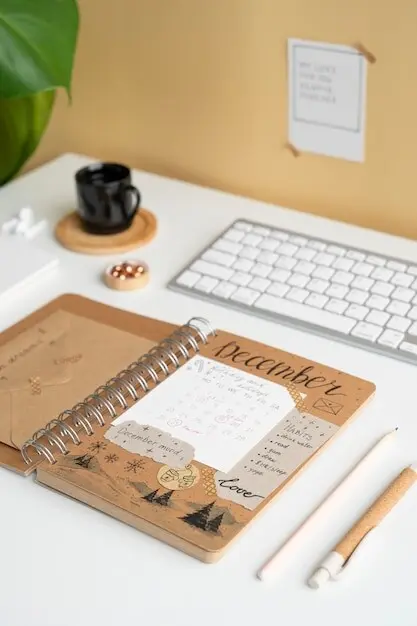
Design Better Mornings and Evenings

Today, we dive into the iterative redesign of morning and evening routines using design thinking, turning the bookends of your day into supportive, human-centered systems. We will empathize with real needs, define outcomes that matter, ideate generously, prototype lightly, and test with curiosity. Expect practical prompts, small experiments, and candid stories that help you craft energizing starts and restorative finishes without perfectionism, just steady improvement guided by evidence and compassion.

Empathize With Your Future Self

Before changing anything, learn from the reality you already live. Observe the first and last hour of your day like a researcher, noticing feelings, friction, and flow. Consider circadian cues, the cortisol awakening response, and melatonin’s evening rise. Keep a simple diary, record one-minute reflections, and invite kindness toward yourself, because honest empathy reveals gentle, sustainable improvements rather than brittle, overly ambitious rules.

From Vague Wishes to Observable Behaviors

Instead of hoping to be more productive or sleep earlier, choose behaviors anyone could witness. A glass of water within five minutes of waking, blinds open before checking messages, journal closed by the nightstand by 22:30. These crisp definitions simplify decision-making, reduce emotional negotiations, and make it obvious whether your routine worked today, creating a feedback loop strong enough to support steady iteration.

Constraints as Creative Catalysts

Constraints sharpen focus and inspire inventive choices. If mornings are crowded with caregiving or travel, design a two-minute non-negotiable ritual that still signals momentum. If evenings are noisy, bundle wind-down steps into a portable kit with earplugs and a dimmable light. By honoring real limits, you trade fantasy for resilience, crafting elegant solutions that thrive precisely where life feels most complicated.

Ideate Boldly, Then Simplify

Generate many possibilities before choosing a handful to try. Quantity precedes quality, so welcome impractical concepts that reveal new angles. Remix cues, environments, and sequences using methods like SCAMPER and role-storming. Then converge with kindness, trimming ideas to the simplest behaviors that still deliver value. This swing between wild creativity and elegant reduction fuels momentum while respecting limited time and attention.

Brainstorm Without Alarm Clocks

For a moment, ignore devices and schedules. Imagine starting with sunlight, music, or a scent; preparing future-you a tray the night before; or turning chores into playful challenges. Suspend judgment long enough to uncover intriguing combinations. Later, you can reintroduce structure and alarms, but ideation without constraints often reveals joyful, low-friction rituals that feel inviting enough to repeat, even on tougher days.

Borrowing From Service Design and Habit Science

Think like a service designer who choreographs touchpoints across time. Pair habit stacking with environmental priming: place the journal on your pillow, set the kettle’s water the night before, stage running shoes by the door. Draw from widely shared behavior models that emphasize tiny, reliable steps. Your routine becomes a supportive service journey, with each cue ushering you gently toward the next helpful action.

Selecting Ideas With Brutal Compassion

Now narrow options using fairness and honesty. Choose actions that work on difficult mornings and late evenings, not just perfect days. Prefer steps that survive travel, stress, or unexpected messes. If an idea requires heroic willpower, reframe or cut it. By favoring reliable simplicity over dazzling complexity, you protect the fragile bridge from intention to execution and earn repeatable, confidence-building wins.

Prototype Your Bookends of the Day

Treat routines like experiments, not declarations. Build tiny, low-cost prototypes you can deploy tomorrow: a two-step wake sequence, a three-step wind-down, a rearranged counter, a timed playlist. Keep fidelity low so changes stay easy to adjust. Name each prototype clearly, timebox the trial, and commit to learning at least one insight per attempt. Progress becomes a series of teachable moments, not an all-or-nothing gamble.

One-Day Micro-Experiments

Run a single-day trial with a specific question, like does light before phone improve mood by breakfast? Document setup, observation, and reflection. Snap a quick photo of the environment to notice clutter patterns. Because the commitment is tiny and the purpose is learning, you sidestep perfectionism, accumulate evidence quickly, and build an adaptable library of approaches you can remix as circumstances change.

Ritual Cards and Visual Cues

Create simple cards listing two or three actions for morning and evening, and place them exactly where you act: by the kettle, on the mirror, near the bed. Use large fonts, friendly verbs, and a forgiving tone. These humble artifacts anchor intentions to context, reducing cognitive load and preventing decision fatigue when energy is thin, while also making iteration as easy as swapping a card.

Designing for Disruption and Recovery

Life will interrupt. Design graceful fallbacks before trouble arrives: a 60-second reset if alarms fail, a two-breath pause after late-night messages, or a pocket-sized wind-down you can run in a rideshare. Label these as recovery plays, not punishments. Anticipated disruptions become predictable states your routine can absorb, protecting momentum and signaling that consistency means returning, not never straying.

Test, Learn, and Iterate

Testing turns hope into knowledge. Alternate prototypes across days, compare outcomes, and keep notes short but honest. Use weekly mini-retrospectives to surface patterns, then tweak one variable at a time. Hold your identity lightly and your curiosity firmly. With each cycle, you refine rhythm, reduce friction, and uncover rituals that feel natural enough to repeat, transforming change into a supportive, ongoing conversation.

A/B Mornings and Control Evenings

Run alternating approaches: sunlight-first versus phone-first mornings, or tea-and-paperback versus scrolling wind-downs. Track wake mood, mid-morning clarity, lights-out time, and sleep latency. Keep comparisons fair by changing only one element. This gently scientific posture keeps emotion from overshadowing evidence and helps you discover surprisingly small levers that produce outsized, repeatable improvements in energy, calm, and evening readiness.

Debriefs Over Tea or Toothpaste

Pair reflection with an existing cue to make it stick. While brewing tea or brushing teeth, ask what went well, what felt heavy, and one tiny change to try next. Keep notes visible and kind. This ritual of noticing converts scattered experiences into teachable insights, making tomorrow’s decisions lighter and your evolving routine more coherent, humane, and sustainable.

Celebrating Small Wins to Sustain Change

Tracked victories, no matter how small, compound into durable motivation. Circle a calendar day you protected lights-out, or post a sticky note praising your first-glass-of-water streak. Share a delight with a friend for gentle accountability. Celebration reframes progress from grim duty to earned pride, fueling the patience necessary for iterative work that genuinely reshapes mornings and evenings from the inside out.

Sustain, Scale, and Share

Great routines flex with seasons, travel, and new responsibilities. Build modular habits you can compress or expand without losing essence. Involve housemates or family through clear signals and shared artifacts. Automate what is safe to automate, and regularly prune steps that no longer serve. Document learnings in a simple playbook so your design keeps pace with the life it supports.
Telinarilentoluma
Privacy Overview

This website uses cookies so that we can provide you with the best user experience possible. Cookie information is stored in your browser and performs functions such as recognising you when you return to our website and helping our team to understand which sections of the website you find most interesting and useful.